Dental Bonding in East Wenatchee, WA

A chipped tooth, a gap between your front teeth, a spot that whitening just won’t touch. These are the kinds of things that catch your eye every time you smile in a mirror, even though they’re small. Composite bonding fixes them, usually in a single appointment, without anesthesia and without a lab wait.
At Fluegge Dental in East Wenatchee, Matt Fluegge, DDS, performs bonding directly in the chair. He applies a tooth-colored composite resin, sculpts it to match your surrounding teeth, and hardens it with a curing light. You walk in with a chip, you walk out without one. Most appointments take 30 to 60 minutes per tooth.
Bonding works well for minor cosmetic concerns. If the situation calls for something more durable or more extensive, we’ll be upfront about that at your consultation and explain what would serve your tooth better over the long run.
To see if bonding is right for your tooth.
What Dental Bonding Can Fix
Bonding works on a range of minor cosmetic concerns. Here are the situations we see most often:
- Chipped or fractured enamel
- Small gaps between front teeth
- Surface discoloration that doesn’t respond to whitening
- Teeth that are slightly short, narrow, or uneven in shape
- Minor cracks in the enamel surface
- Exposed root surfaces caused by gum recession
Bonding is the right call when the underlying tooth is healthy and the change needed is relatively small. If there is decay, a large existing filling, or significant structural damage, a crown or another restorative option will hold up better. We’ll examine your tooth first and give you a straight answer about what makes sense.
What Happens at Your Bonding Appointment
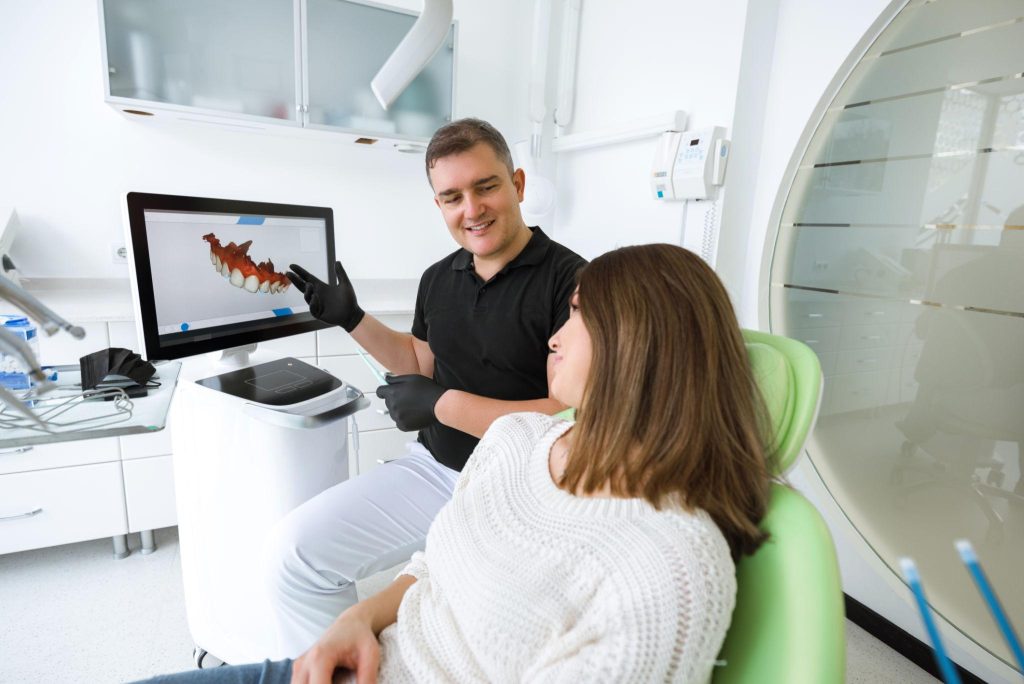
The process is simpler than most patients expect. Here is how it goes from start to finish:
Shade matching
We start by selecting a composite resin shade that matches your natural tooth color. This is more involved than it sounds. Lighting conditions, the color of your other teeth, and how the resin interacts with enamel all factor in. Getting this right means the bonded tooth blends into your smile rather than standing out.
Surface preparation
The tooth surface is lightly etched with a mild acid solution to give the resin something to grip. For most bonding cases, no anesthesia is needed. The preparation is brief and gentle.
Resin application
He applies the resin in a soft, workable state and sculpts it by hand to match the shape of the surrounding teeth. This is where the result is made or missed. He works the edge, contour, and surface texture until everything is consistent with the adjacent teeth.
Curing
A blue curing light hardens the resin in roughly 30 to 60 seconds per layer. Once cured, the material bonds firmly to the enamel and reaches full strength.
Final shaping and polish
We trim any excess, adjust your bite, and polish the bonded surface to a natural-looking finish. The tooth is checked from multiple angles before you’re done. Most patients can’t tell which tooth was treated by the time they leave.
What Makes Bonding Different Here
One dentist, from exam to finish
Fluegge Dental is a solo practice. Dr. Fluegge is the person who examines your tooth, chooses the shade, shapes the resin, and checks the final result. There are no associates. For cosmetic work, where a few millimeters and a subtle shade difference determine whether something looks natural, having one person accountable for the whole outcome matters.
Cosmetic focus throughout his career
Dr. Fluegge has focused on aesthetic dentistry since starting in the Wenatchee Valley in 2001. Bonding is part of a broader skill set that includes veneers, smile makeovers, and full mouth reconstruction. That history means a chipped front tooth gets the same level of care here as a full cosmetic case.
No lab, no second appointment
Porcelain veneers and crowns require impressions, a lab, and a follow-up visit. Bonding is done entirely in the chair in one appointment. If you chipped a tooth this week, it can look whole again before the week is out.
Conservative by design
Bonding typically requires little to no enamel removal. That is a real difference from veneers and crowns, which permanently alter the tooth surface. If bonding can solve the problem without changing your tooth structure, that is where we start.
The same people, every visit
Mandy Waterhouse has been at Fluegge Dental since 2003. Jessica Sturtz has been here since 2010. When you come back for a cleaning or a touch-up, you’ll see the same faces. That consistency matters when you’re trusting someone with cosmetic work.
Bonding or Veneers: How to Know Which One You Need
The two options come up together often because they address similar concerns. Here is the straightforward comparison:
| Composite Bonding | Porcelain Veneers | |
|---|---|---|
|
Appointments needed |
1 (same day) |
2 or more (lab required) |
|
Enamel removal |
Minimal to none |
Required, permanent |
|
Reversible |
Yes |
No |
|
Typical lifespan |
3-10 years |
10-20+ years with care |
|
Stain resistance |
Moderate |
High |
|
Best suited for |
Single tooth, minor changes |
Multiple teeth, wider changes |
If you’re thinking about more than one tooth, or you want a result that holds longer, the cosmetic dentistry options at Fluegge Dental, including veneers and smile makeovers, are worth a conversation. We can walk you through both at your consultation so you leave with a clear answer.
How to Get the Most Out of Your Bonding
Composite resin is durable but not indestructible. These habits will help it last:
- Avoid biting fingernails, pens, or hard objects like ice
- Skip coffee, tea, and red wine for the first 48 hours after your appointment
- Don’t use your teeth to open packaging or bottles
- Brush with a soft-bristled toothbrush twice daily
- If you grind your teeth at night, let us know. A nightguard can prevent early wear on the bonded area.
If a small chip develops or the surface starts to feel rough, call us and come in. Most touch-ups are quick. At your regular cleanings, Kris or Lisa will check the bonded area and flag anything that needs attention before it becomes a bigger issue.

Cost and Insurance for Dental Bonding
Bonding is one of the more affordable cosmetic procedures available. The exact cost depends on the size of the repair, which tooth is involved, and how much resin is needed. We’ll give you a clear estimate after examining your tooth.
Most insurance plans classify bonding as cosmetic and don’t cover it. If you need bonding to repair a tooth that was chipped, fractured, or affected by decay, your plan may cover a portion. We accept most insurance providers and will submit the claim for you. Patients who are out-of-network pay whatever balance remains after insurance applies.
If you’d prefer to spread the cost, CareCredit financing is available through our office. We also accept Visa, MasterCard, American Express, check, and cash.
Questions about what your plan covers? Call (509) 888-3384 or before your appointment and we’ll look into it.
Frequently Asked Questions
How long does a bonding appointment take?
Most bonding appointments run 30 to 60 minutes per tooth. A single chipped tooth is usually done in one visit. If you need bonding on several teeth, Dr. Fluegge may split those into separate appointments so each one gets proper attention.
Will it hurt?
For most bonding cases, no anesthesia is needed. The tooth preparation involves a light etch of the enamel, which isn’t painful. Some patients notice mild sensitivity for a day or two afterward. Over-the-counter pain relief handles that easily if needed.
How long does composite bonding last?
The resin typically holds for 3 to 10 years before needing a touch-up. How long yours lasts depends on which teeth were bonded, your bite, and your daily habits. Front teeth that take direct biting force tend to wear faster than back teeth that do less heavy work.
Can bonding close the gap between my front teeth?
Yes, this is one of the most common things we use it for. Dr. Fluegge shapes the resin to slightly widen one or both teeth so the gap closes naturally. If the gap is larger, or you want something longer-lasting, he’ll let you know whether veneers would serve you better.
Does insurance cover dental bonding?
It depends on your plan and the reason for the procedure. Cosmetic bonding is generally not covered. If you need bonding to repair damage from decay, injury, or fracture, some plans will contribute. We accept most insurance providers and bill out-of-network where applicable. Call us with your insurance details and we can give you a clearer picture before you come in.
What's the difference between bonding and a tooth-colored filling?
The material is the same composite resin. The difference is how it’s used. A tooth-colored filling treats decay inside the tooth. Bonding is applied to the outer surface to change the shape, size, or color of a healthy tooth. Dr. Fluegge performs both here at Fluegge Dental.
Am I a good candidate for bonding?
Bonding works well when the tooth is otherwise healthy and the cosmetic concern is modest. Active decay, a large existing filling, or significant structural damage usually means a crown will hold up better. If you grind your teeth at night, bonding may wear faster than expected, and a nightguard helps with that. The best way to know is to come in for a quick look. We’ll tell you honestly what we’d recommend.
Can I get it done quickly if I chip a tooth?
In many cases, yes. We’re open Monday through Friday, 8:00 AM to 5:00 PM. Call (509) 888-3384, mention that you’ve chipped a tooth, and we’ll find the earliest available slot. Bonding doesn’t require lab work or pre-treatment planning, so it’s one of the quickest procedures to get on the schedule.
Schedule a Dental Bonding Appointment in East Wenatchee
We’re at 476 Grant Rd, East Wenatchee, WA 98802, open Monday through Friday from 8:00 AM to 5:00 PM. New patients are welcome.
Call (509) 888-3384 or use the online booking form to get on the schedule. At the consultation, Dr. Fluegge will look at the tooth, tell you exactly what he recommends, and explain what the result will look like before anything starts.